4 reasons to study microbiology in Norwich
by Ka Cheung (UEA)
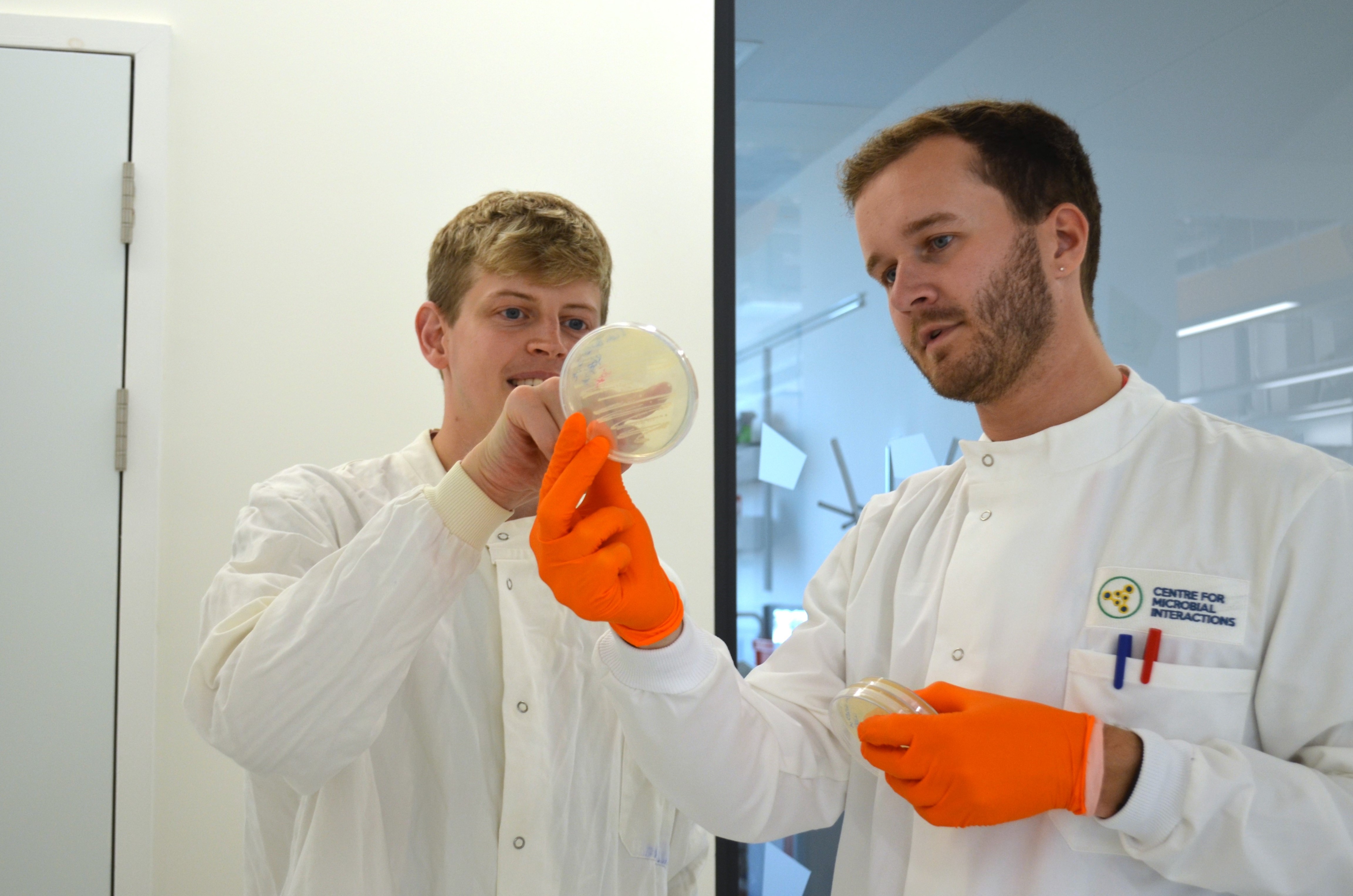
Just finished your Bachelor’s or Master’s degree? Or maybe worked for a few years and want to get back into education and research? There are a wide range of opportunities to study your microbiology PhD in Norwich, an internationally leading centre for microbial research. In this blog post we talk to some current PhD students and discover why Norwich is a great place to study microbiology.
1. One of the largest microbiology hubs in the world
Norwich Research Park is home to top-quality bioscience institutions; the Quadram Institute, John Innes Centre, Earlham Institute and The Sainsbury Laboratory, as well as the University of East Anglia (UEA) and the Norfolk and Norwich University Hospitals (NNUH), fostering a lively and well-connected research community.
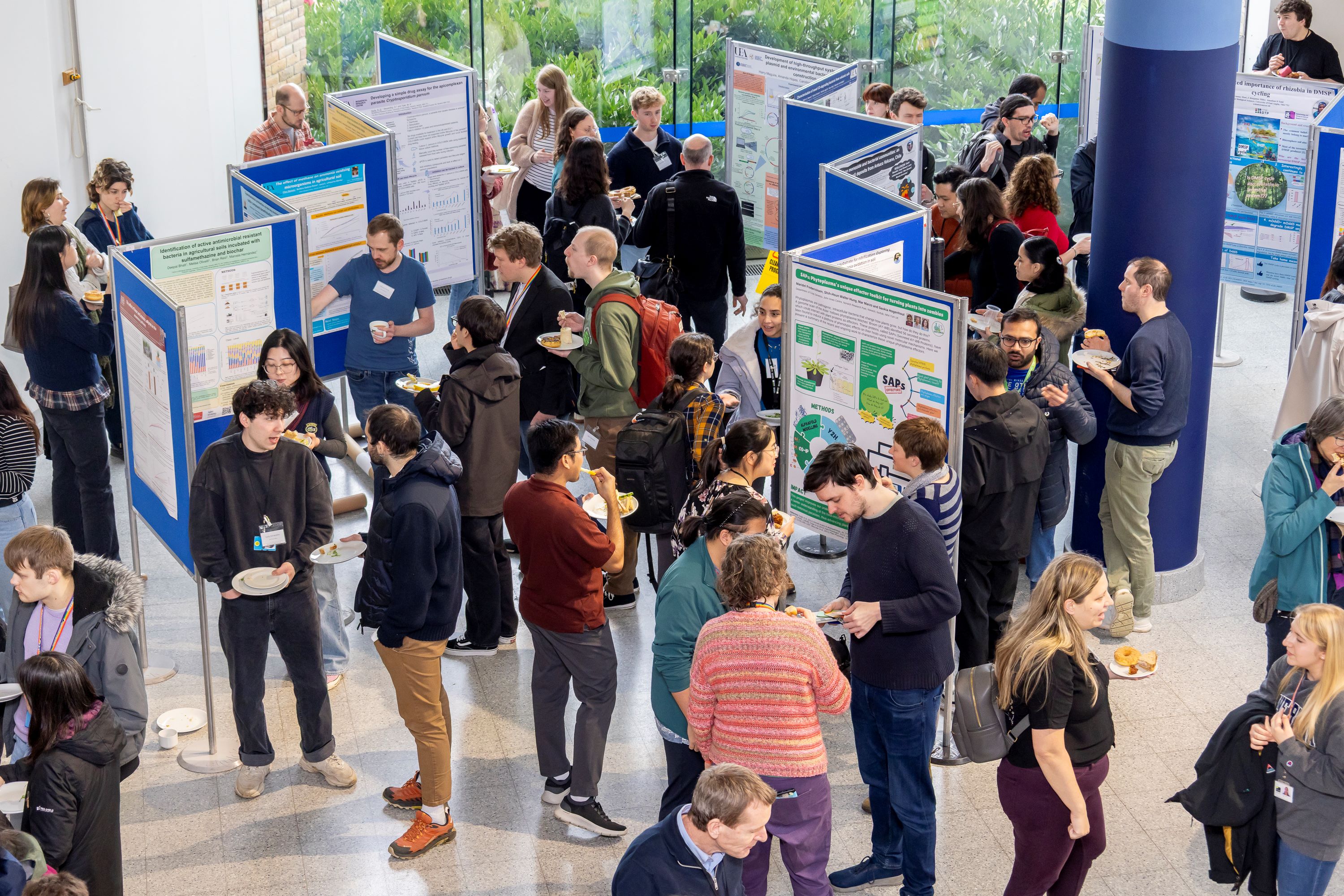
A core value for all of the institutes is collaboration. So, where better to work than one of the largest microbiology hubs in the world! The research institutes are highly ranked for microbiology, covering topics such as the environmental microbiology, human health and plant health.
There are over 100 microbiology groups at Norwich Research Park working on different projects, ranging from microbes found in the natural environment – such as the ‘golden algae’ Prymnesium – to microbes involved in human health and the gut microbiome – such as Bifidobacterium.
The Centre for Microbial Interactions (CMI) help to bring together the huge range of expertise across different research areas. The Project Manager for the CMI, Sam Rowe, who did his PhD in microbiology as part of the Norwich Research Park Doctoral Training Programme (NRP-DTP) says: “The CMI aims to provide a supportive and collaborative environment for all our microbiology staff and students. We’re committed to advancing research and innovation as well as promoting our work with external audiences.”
Their latest public exhibit, the Microbe Zoo, is debuting at Norwich Science Festival 2026, showcasing cutting-edge microbiology projects from across Norwich Research Park!
2. Follow the footsteps of famous microbiologists:
Did microbiology choose Norwich, or did Norwich choose microbiology? Since 1910, the John Innes Centre has been researching the wonders of plant and microbial science, moving to Norwich in 1967, around the same time as the opening of the UEA. The Streptomyces Genetics Programme was launched to study this soil bacterium – responsible for two-thirds of the world’s antibiotics. A detailed circular linkage map of more than 100 Streptomyces coelicolour genes was established, a pioneering level of work for the time, and the entire Streptomyces coelicolour genome was sequenced in 2002.
John Innes Centre researchers also study microbes associated with plants, such as those that contribute to wheat blast and rice blast, and how to overcome it, as part of their “Healthy Plants, Healthy People, Healthy Planet” vision.
“I came to John Innes Centre as part of the EDESIA rotation programme”, says third-year student, Adam. “It is really enriching here, I work alongside experts in a tight knit community and it is the best place to do experiments with great equipment, scientific platforms and lab support.”
Norwich Research Park also has a strong history of research linked to food safety and health impacts. Dr Ella May Barnes (OBE) was a leading microbiologist in the 1960s-1970s at the Norwich Food Research Institute, now known as the Quadram Institute. Her work contributed to revolutionary changes in poultry production to help the prevention of Salmonella, the main cause of food poisoning.
In the 1980s, Dr Barbara Lund’s group also preserved multiple strains of Listeria, a pathogenic microbe involved in food spoilage. This collection is still useful today, helping current researchers with genomic analysis. By studying historical collections, it is possible to explore how Listeria strains have evolved over many years to become resistant to cleaning chemicals.
3. Receive your PhD training from a top university:
All PhD students are enrolled at UEA. UEA is a UK top 35 university as of 2025, and in the UK top 20 for research quality. Over 91% of research is rated ‘world-leading’ or ‘internationally excellent’ by the Research Excellence Framework (REF 2021).
There are a range of Doctoral Training Programmes available for PhD student to join, such as the Microbes, Microbiomes and Bioinformatics Doctoral Training Programme (MMB-DTP), the NRP-DTP, and the John Innes Foundation Rotation PhD Programme. These programmes provide access to masterclasses for skills development and future career discussions. The UEA also offers additional personal and professional development training, including courses that focus on scientific skills such as statistics.
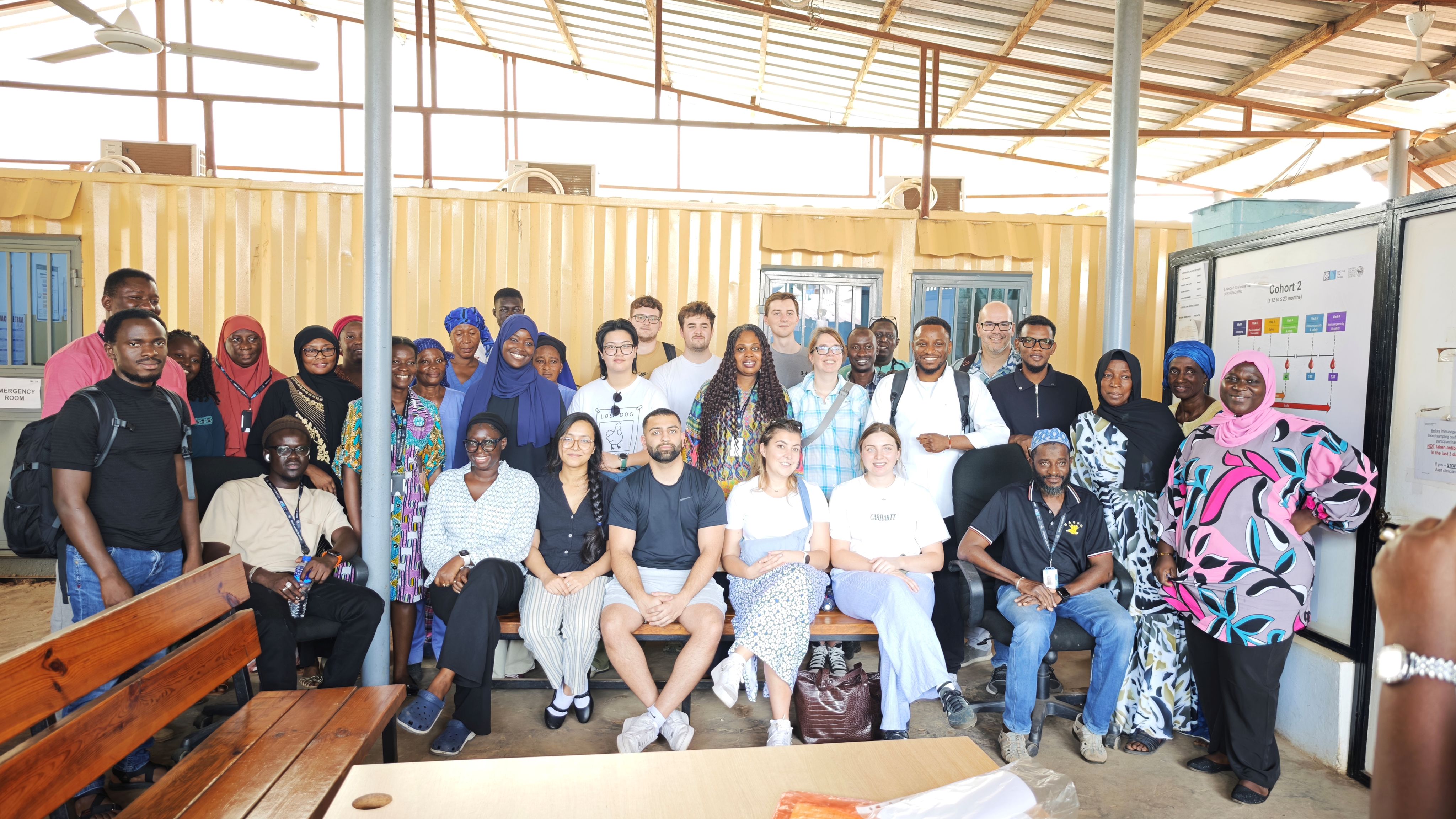
“I wanted to undertake my PhD with the MMB-DTP because of the amazing training opportunities it offers. The six-week bioinformatics training gave me a strong understanding of a variety of cutting-edge techniques applicable to my project. Our trip to the Gambia was also an incredible experience which truly broadened my horizons and allowed me to understand how science is carried out in different settings. Alongside this, the multitude of training opportunities offered by UEA and the research institutes have boosted my academic profile significantly,” says third-year PhD student Alice.
Doctoral training programmes typically include three month placements to explore the world of work outside academia. This helps students to gain extra experience in something completely unrelated to their main PhD project, for example by working in industry, science policy or public engagement.
4. Living as a student in Norwich:
And finally, the best reason to do your microbiology PhD in Norwich is the location! Norwich is a ‘fine’ city, with plenty of things to do, and it was recently voted “Best in Travel 2025” in East Anglia’s Lonely Planet.
There are award-winning shops in the historical Royal Arcade and numerous independent stores – including within the Norwich Market and the cobblestone streets of Elm Hill and Timberhill – alongside traditional high street shops at Chantry Place. Student weeknights are never boring with regular activities at the Leisure Quarter of Castle Mall as well as plenty of pubs around the city centre. There are also historical landmarks such as Norwich Castle (with free access for students!) and, if you are more of a nature person, Norfolk is well-known for its iconic Broads and coastal beaches.

Image credit: Suzy Hazelwood, Pexels
UEA has a high student satisfaction rating. You’d be able to enjoy both urban life and nature together on campus, as it has everything you need in one place. The campus is also known for being one of the best examples of brutalist architecture of the 1960s, originally designed by Sir Denys Lasdun.
Third-year PhD student Wing says: “I never came to Norwich before my PhD but now I love it. It is a cosy city and everything you need is on your doorstep. I love that there is a mix of the historic with the modern, and Norwich is also nowhere near as expensive as London, but you’re only 1.5 hours away by train, which means I can pop there if I need to meet up with old friends and family.”
So what are you waiting for? Apply today: Postgraduate Research – Research With Us
Posted on 15th January 2026 in Blog.
Tags: Norwich Research Park, People, Students