Science, Seaweed and the Spanish Sun: My experience presenting at MICROPATHS 2026
by Catherine Philip (3rd Year ARIES DTP Student in Prof Jonathan Todd’s Lab at UEA)
I recently had the opportunity to attend MICROPATHS 2026 in Madrid, Spain, organised by the Spanish Society for Microbiology (JISEM) and Conexión-MICROBIOMA (CSIC). The conference brought together researchers working across different areas of microbiome science, with a particular focus on creating opportunities for early-career researchers to connect and share their work.
The programme covered a wide range of topics, including bioinformatics, data integration and science communication. The science communication workshop explored the challenges of communicating research, from avoiding jargon to organising events and building stronger networks with public institutions. I really enjoyed hearing about research outside my own area and seeing how different approaches are being used to understand complex microbial communities.
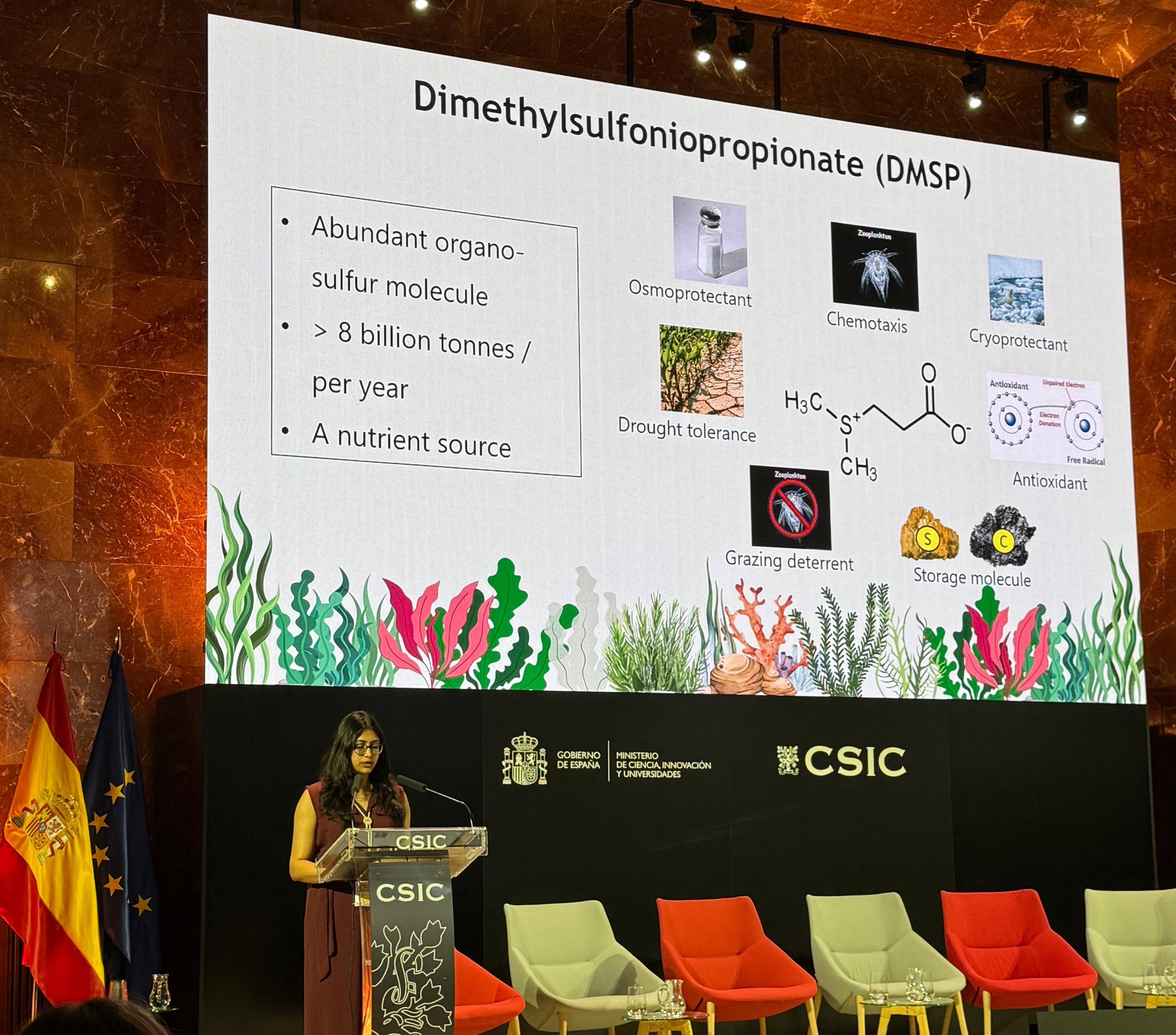
I was also excited to present my PhD research, “Identifying the bacterial drivers of DMSP cycling in the Ulva microbiome.” My research looks at the relationship between the green seaweed Ulva and the bacteria living alongside it. I am particularly interested in DMSP, a sulphur-containing compound produced by Ulva, and how the bacteria associated with the seaweed use and break down this compound. By identifying the bacteria involved, I hope to better understand how these interactions influence the seaweed and contribute to marine nutrient and sulphur cycling.
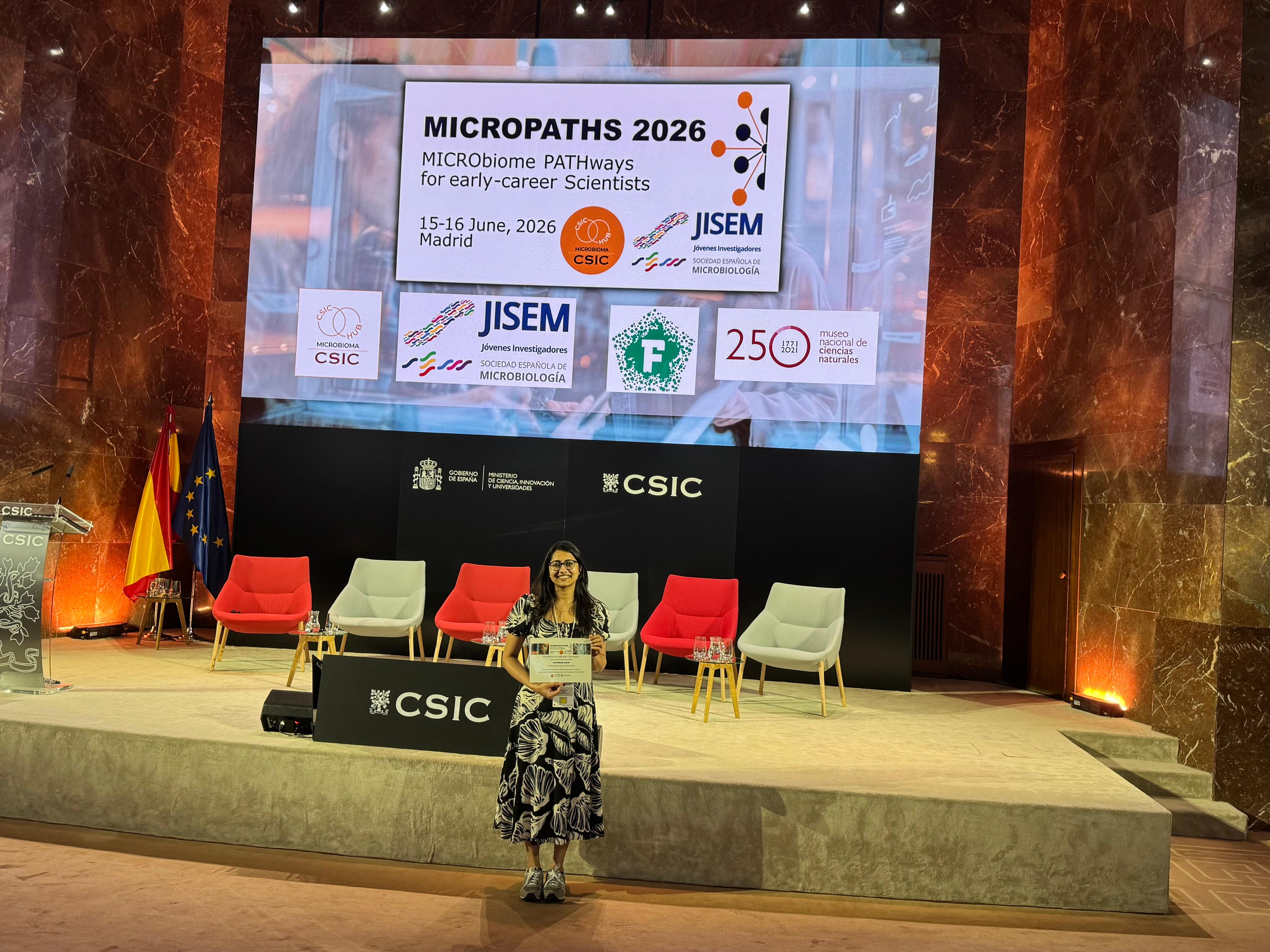
The conference provided a great opportunity to discuss my work with researchers from different backgrounds and to get new ideas and feedback. I was especially happy to receive the Best Oral Presentation Award, which was a lovely surprise and a real confidence boost!
One theme that stood out was the plenary lectures, which explored how to decode the functions of the microbiota and its role in metabolic disease – delivered by Dr Verónica Llorens-Rico. She spoke about how gut bacteria regulate their gene expression in response to their environment, using approaches such as metatranscriptomics, especially on samples with very little microbial material.
Although the focus was human health, the central question was one I recognised from my own work: it’s not enough to know which microbes are present, we need to understand what they are doing and how. For DMSP cycling in the Ulva microbiome, whether a bacterium carries the genes to break down DMSP is only half the story. The other half is whether, and under what conditions, it switches them on. Thinking about gene regulation, not just gene presence, is something that I’d like to bring into my own work as I try to link bacteria to specific functions and understand how they interact with the seaweed.
Of course, a conference in Madrid was not just about the science! One of my favourite parts of the trip was getting to experience some of the local culture and, importantly, the food. The organisers did a great job of incorporating Spanish food into the conference, which gave plenty of opportunities to try dishes and flavours that were new to me.
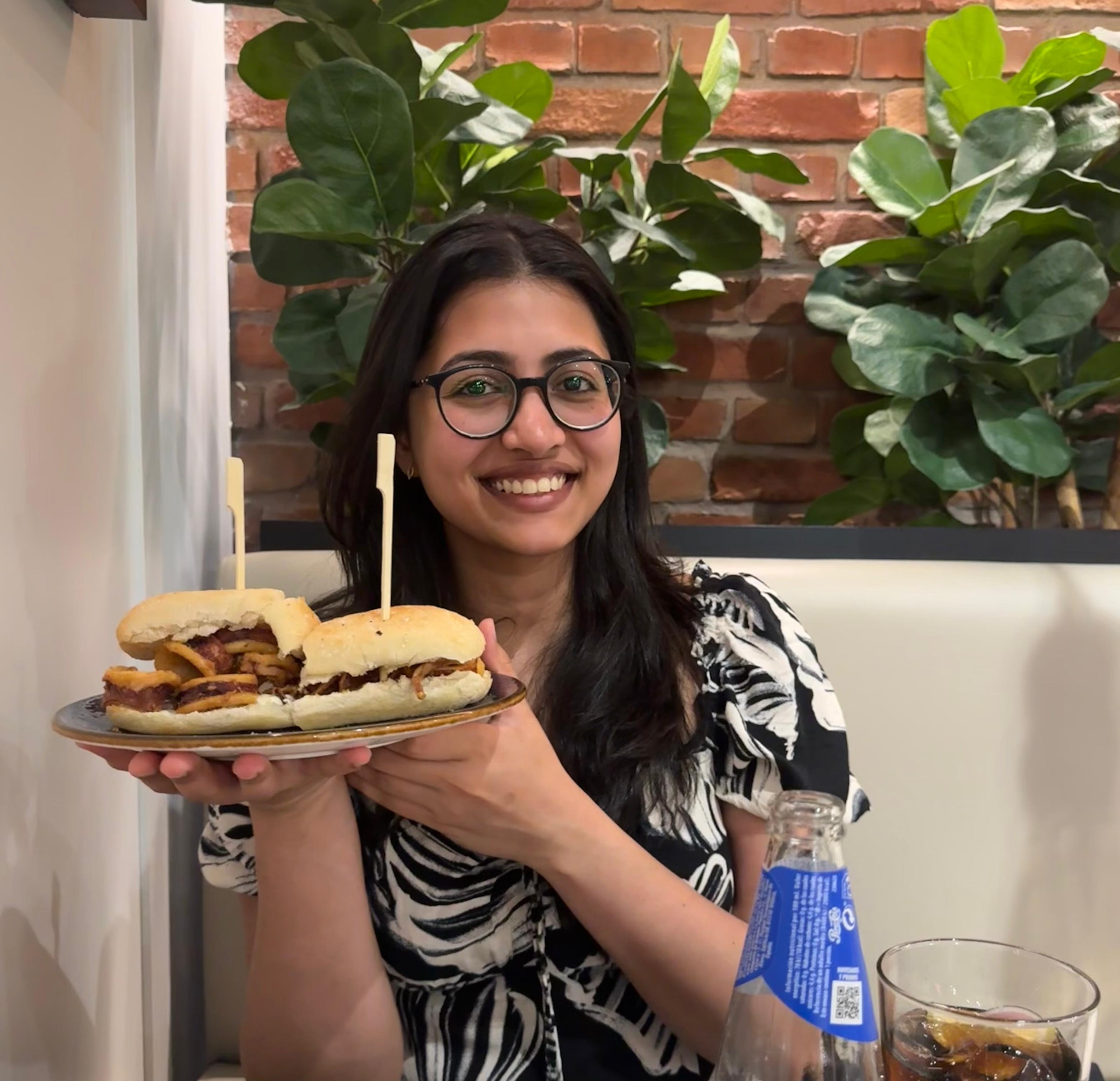
I also managed to explore Madrid outside of the conference sessions. Having the chance to walk around the city, see some of its famous sights and experience the atmosphere of Madrid. This made the trip even more memorable.
Overall, MICROPATHS 2026 was an enjoyable experience and an important part of my PhD journey. I came back with new ideas, new connections and lots of great memories from Madrid. I would sincerely like to thank the Centre for Microbial Interactions for providing me with funding to attend the conference.