The Microbe Zoo
What is the Microbe Zoo?
Everywhere on Earth has its own population of microbes, but their miniscule scale means that we usually cannot see them. Despite this, microbes play a vital role in supplying our food, keeping us healthy and shaping the environment.
The Microbe Zoo is a large, interactive and immersive exhibit that reveals the hidden world of microbes that live around us, on us and even inside us. The project was inspired by the huge breadth of microbiology expertise at Norwich Research Park to demonstrate how scientific research holds the key to living better in the microbial world.
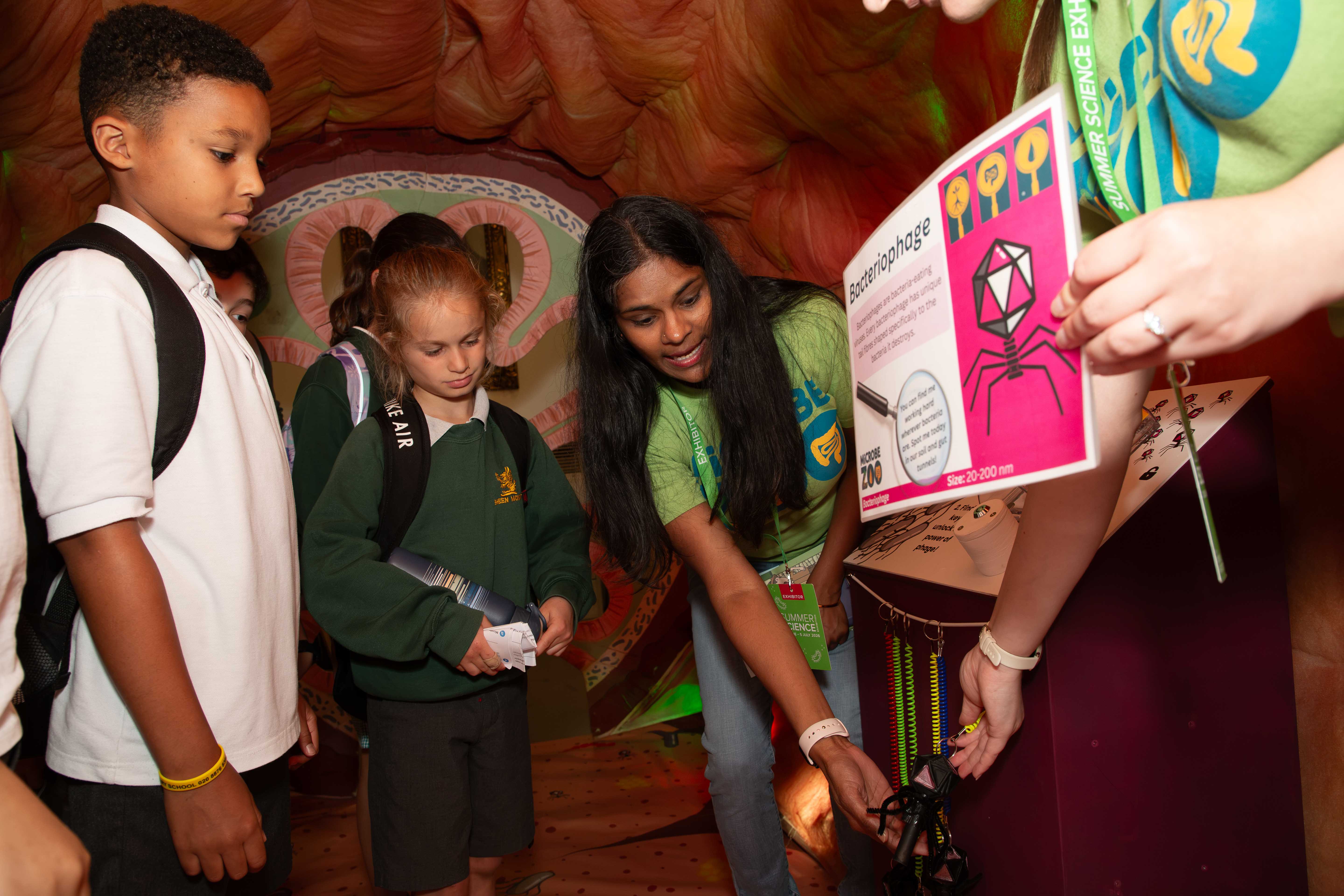
Your visit to the Microbe Zoo
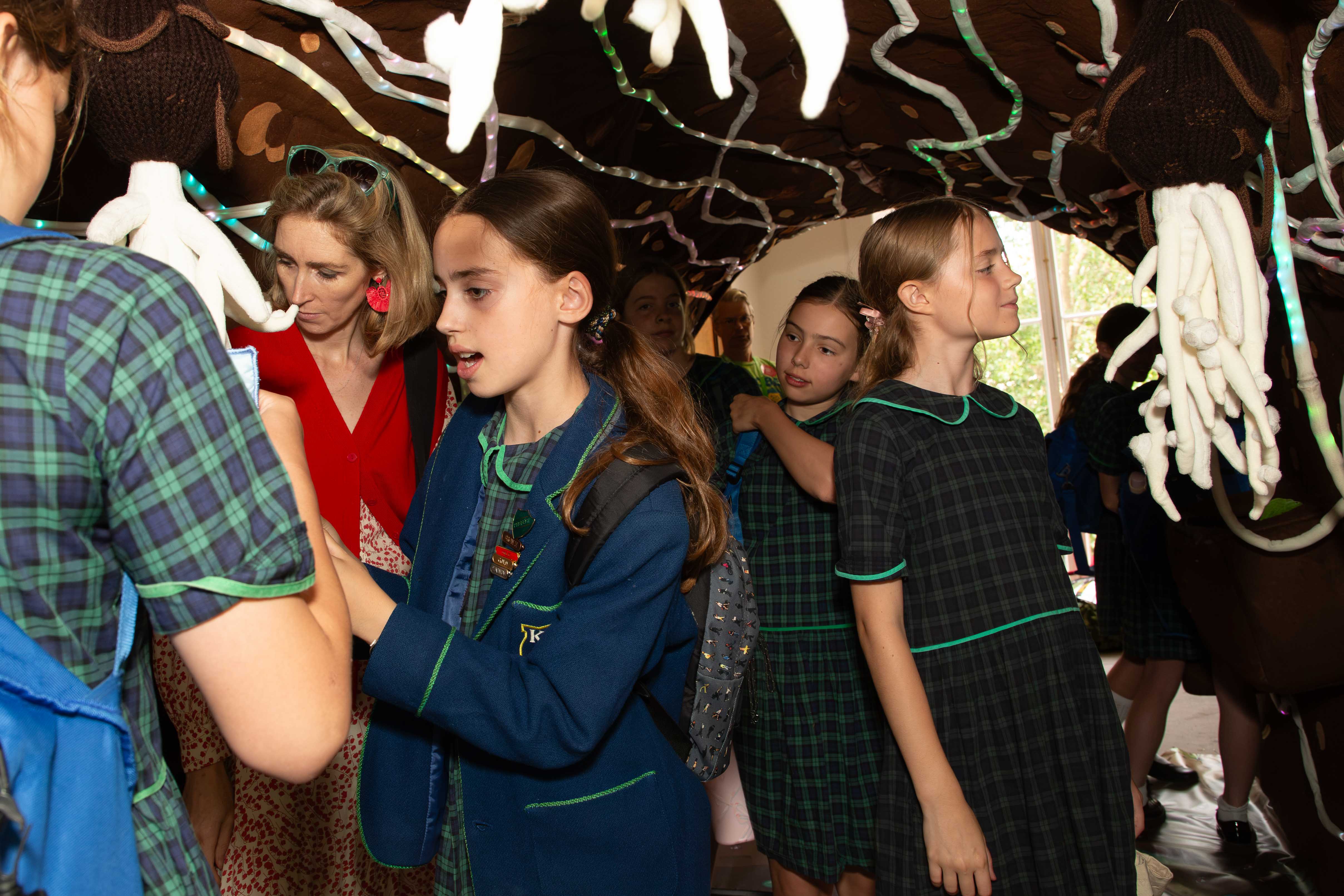
Much like a regular zoo, a visit to the Microbe Zoo takes you on a journey through different ecosystems, only this time on the microscopic scale.
By ‘shrinking’ visitors down, the microbial diversity that exists in different environments becomes visible. Once immersed in the different habitat zones, a range of sounds, lights, interactive games and visuals show what the microbes are doing and how they shape our world in surprising ways.
The Soil Zone
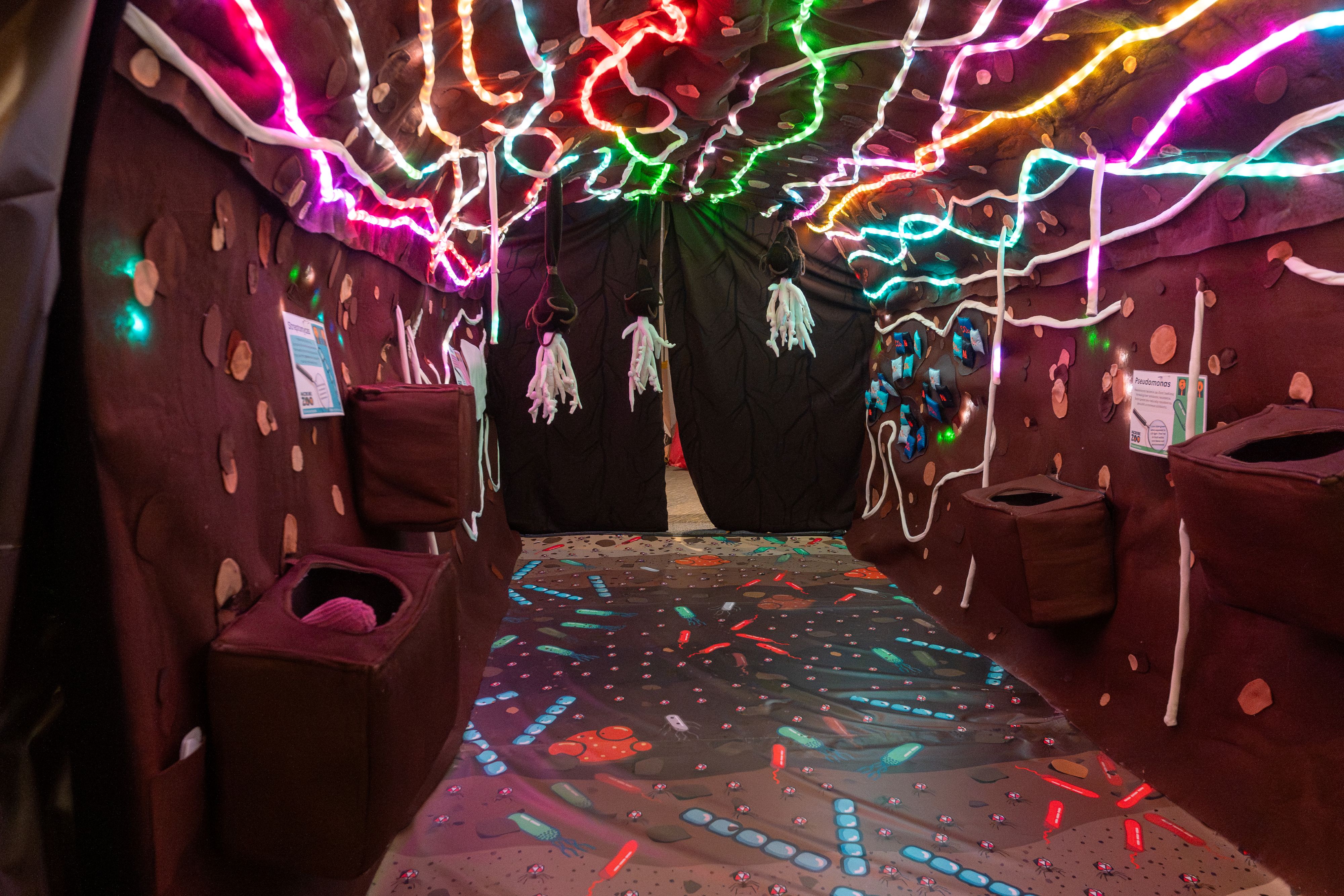
On a trip through the soil zone, you will see how plants communicate with microbes to enlist their help in accessing the nutrients needed to grow and produce food for our plates. You’ll also learn about the pathogens affecting our important crops and how scientists are tackling these disruptive infections.
The Gut Zone
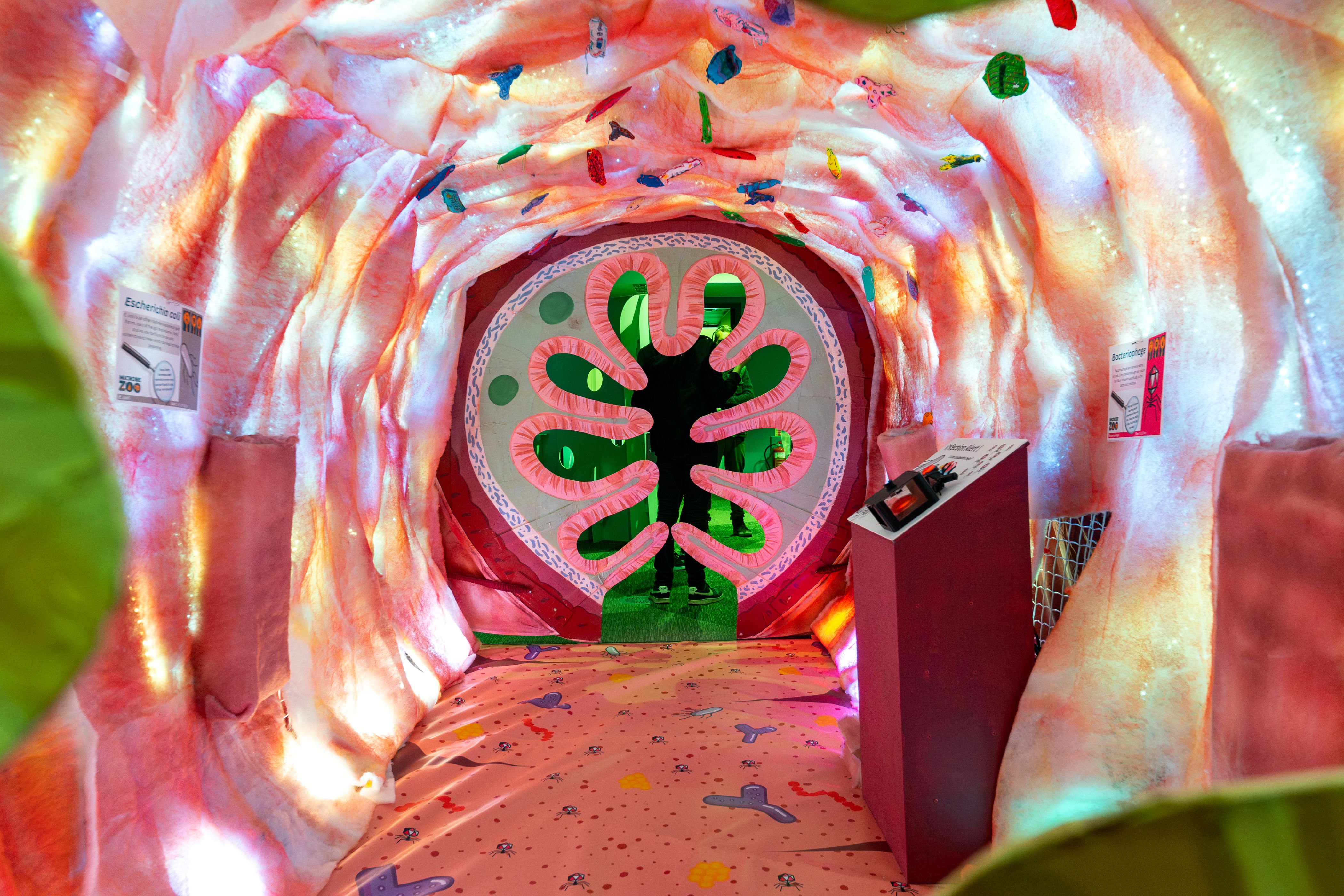
In the gut zone, you will be invited to help the ‘zookeepers’ feed the microbes found inside us. See how fibre and a diet rich in vegetables support this microbial population, which in turn keeps us healthy. Along the way you’ll see how invading microbes can cause disease, and how the latest research breakthroughs could replace antibiotics in battling infections.
The Water Zone
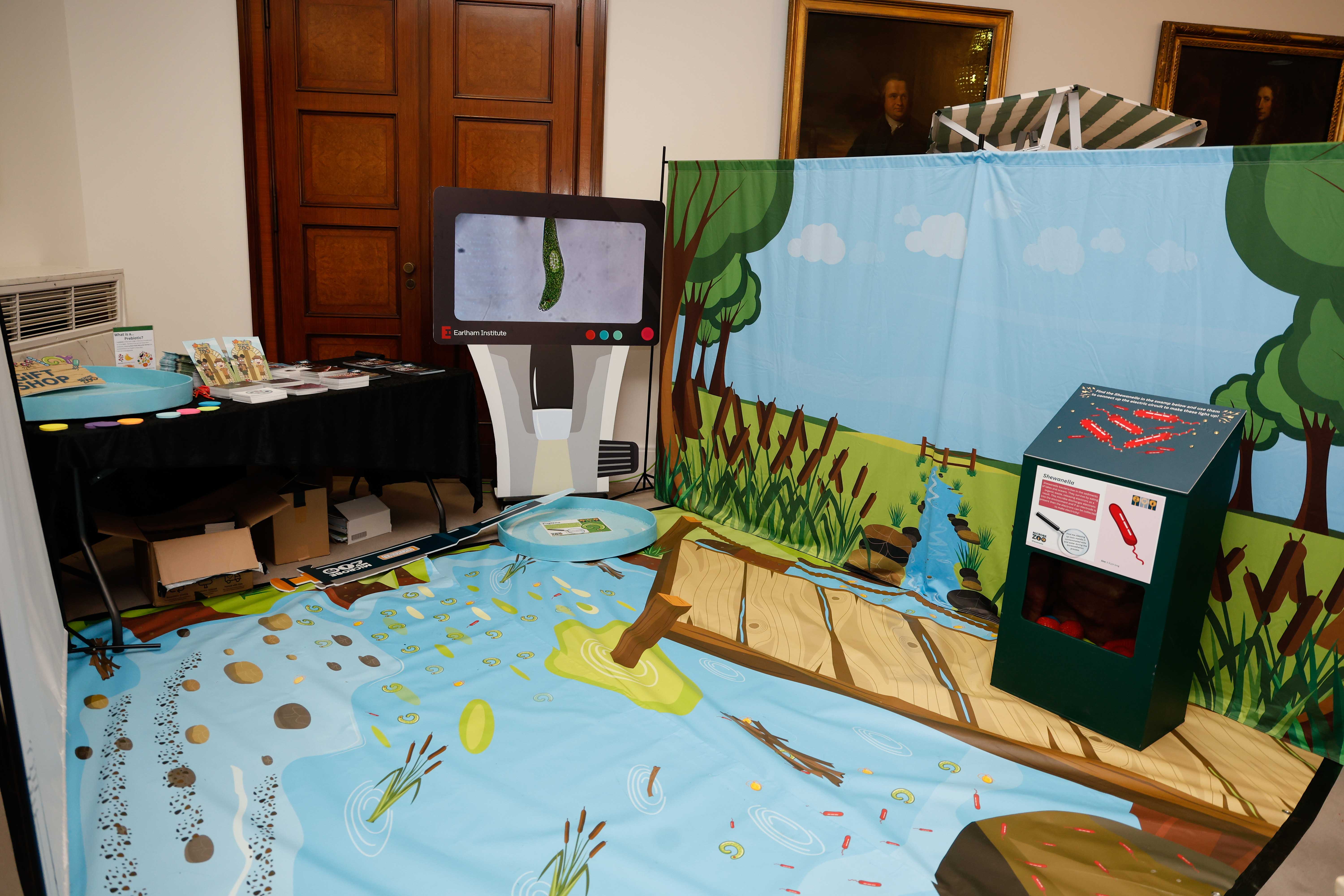
Beyond the gut, take a dive into the waterways to investigate the environmental challenges of sewage purification and runoff from landfill and agriculture. You will see how advances in microbial research could help us build a sustainable ecological balance in our rivers and even provide clean energy for future generations.
No trip to the zoo would be complete without a visit to our mock café and gift shop, but of course with a microbial twist. Learn about how many of our everyday foods and household products are made by microbes before you collect our free postcards, recipe cards and an activity book with experiments to try at home.
–> You can download our Microbe Zoo postcards and recipe cards (PDFs) at the bottom of this webpage!
Our 2026-27 UK tour
The Microbe Zoo officially launched at Norwich Science Festival 2026 before it was presented at the Royal Norfolk Show, Royal Society Summer Science Exhibition and Latitude Festival.
In 2026, we welcomed 10,000 visitors into the Microbe Zoo (including Royalty!), bringing the hidden world of microbes to life for audiences of all ages. We’re excited to welcome many more curious explorers in the years ahead.
We are now planning tour dates for 2027 and hope to find a more permanent home for the exhibit in the future. Please get in touch if you would like to discuss sponsorship opportunities, public events and longer-term installations:
Dr Sam Rowe (Centre for Microbial Interactions): sam.rowe@quadram.ac.uk
Dr Jenni Rant (SAW Trust): jenni.rant@jic.ac.uk
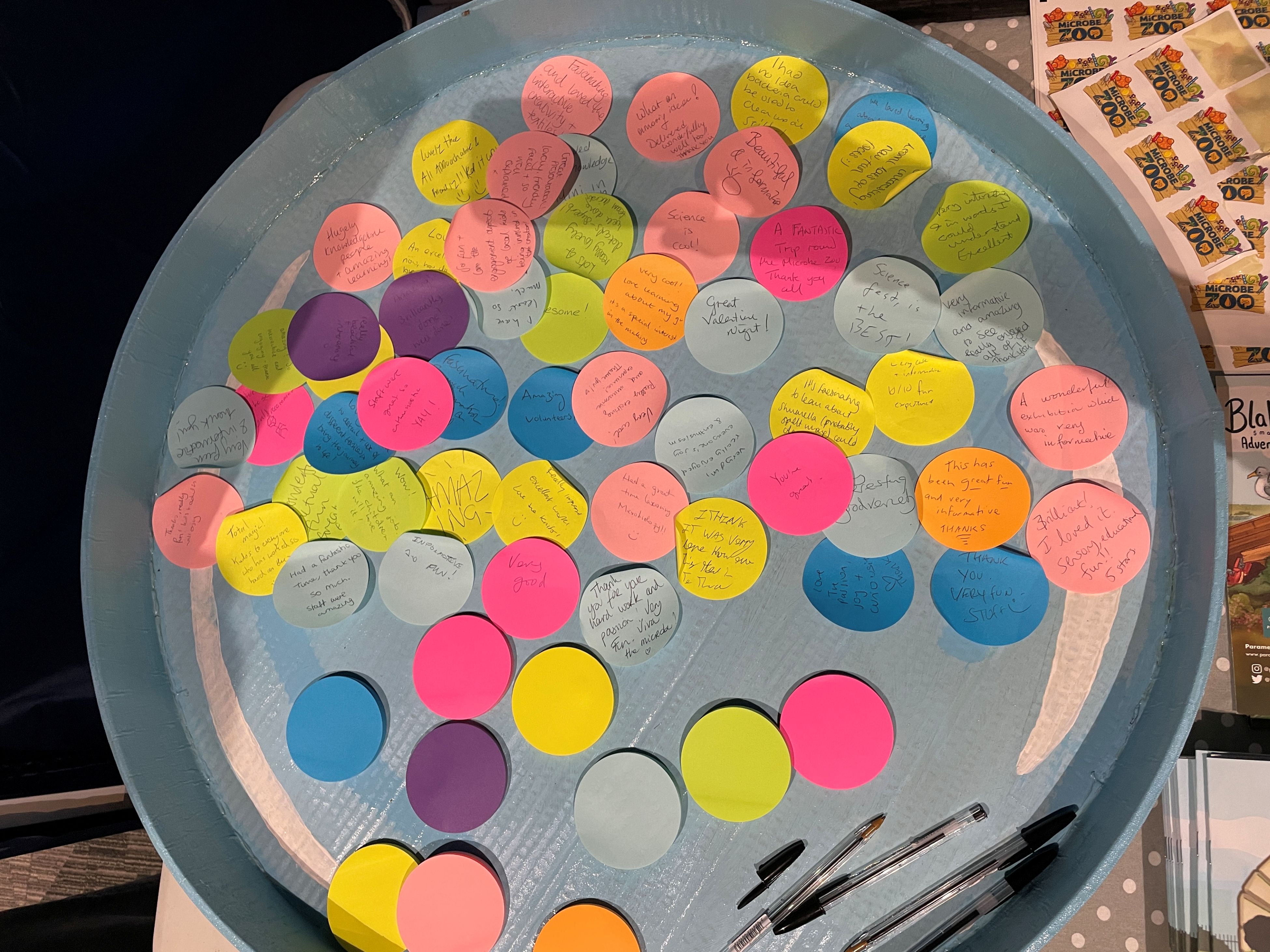
Visitor feedback
“This is the best stand. SO FUN! Excellent science communication. Interactive, enthusiastic and knowledgeable staff.”
“I really liked the exhibit and I wish I’d seen this before my A-Level bio exam!”
“This was a really great exhibition. The inventiveness and commentary worked so well and it was great for visualising.”
“The Microbe Zoo was absolutely fantastic. My <10 year olds loved it and wanted more of it.”
The Microbe Zookeepers
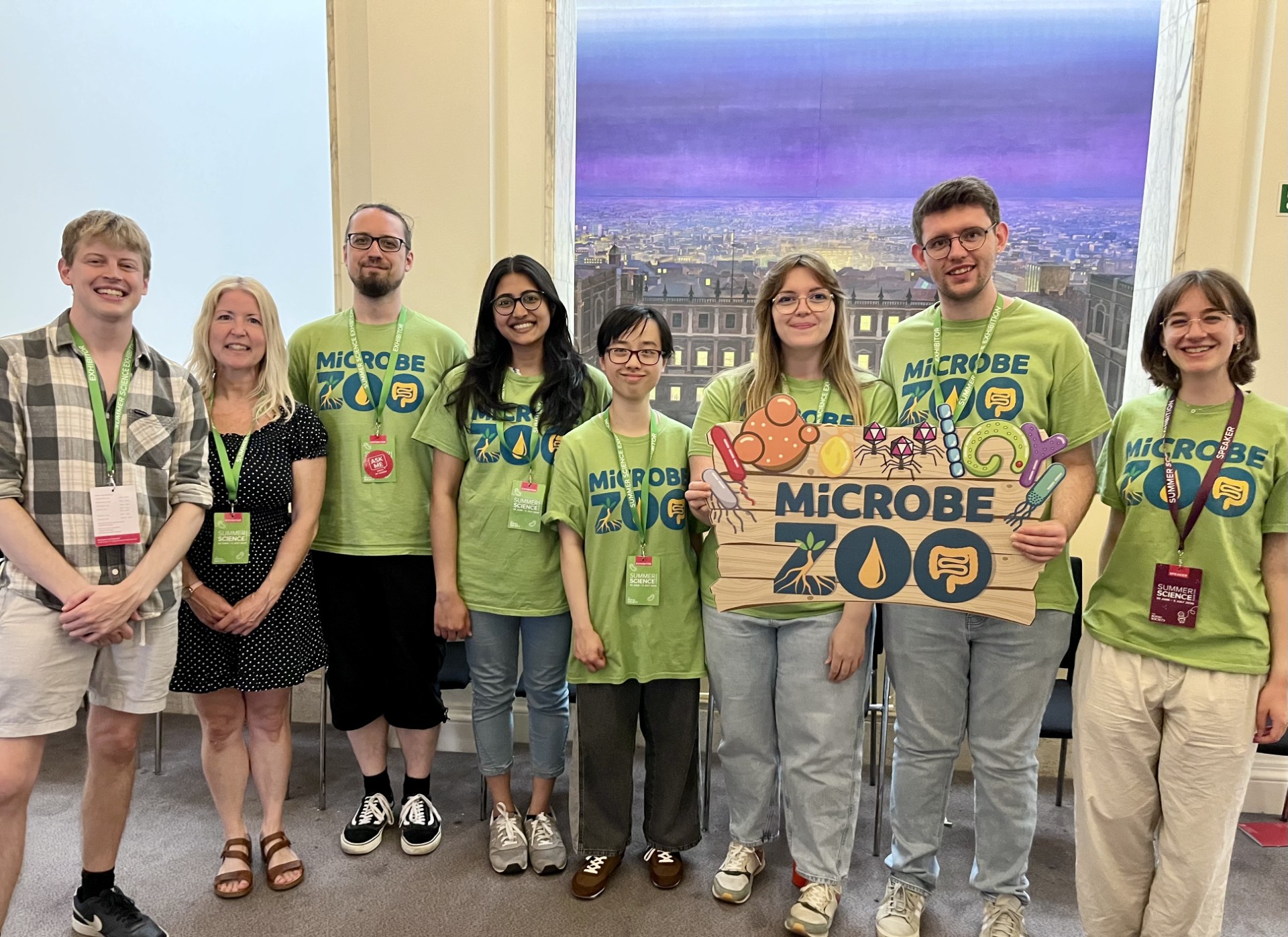
The Microbe Zoo is run by knowledgeable experts who act as tour guides throughout the exhibit. They can answer your questions, chat about all things microbiology and will ensure the exhibit is accessible for everyone.
Our zookeepers are drawn from across Norwich Research Park, home to one of the world’s largest clusters of microbiologists working at its world-class research institutes.

When they’re not guiding you through the Microbe Zoo, they’re harnessing microbiology to tackle global challenges in health, agriculture, food, energy and climate. Below are some of the exciting projects and microbes showcased within the exhibit:

Quadram Institute – deliver healthier lives through innovation in gut health, microbiology and food
There are more bacteriophages – viruses that infect other microbes – in the human gut microbiome than bacteria and we want to find out what they’re doing (read more about phages in the microbiome here). Can we also harness the way they infect bacteria to combat disease-causing bacteria that are resistant to antibiotics? (read more about phages targeting infections here)

John Innes Centre – excellence in plant and microbial science
Naturally occurring soil bacteria can protect plants against disease and promote their growth. Harnessing the soil microbiome for crop health promises to reduce the use of environmentally harmful agrochemicals and the generation of greenhouse gases like N2O (read more about how researchers are advancing plant health here)

Earlham Institute – harnessing the power of data-driven biology to accelerate solutions for health, biodiversity, and food security
Protists form a massive group of microbes that are found everywhere but remain poorly understood. Some cause disease, like Plasmodium, the microbe that’s behind malaria. Others, like Euglena, are capable of producing high-value, and potentially useful compounds, for example pharmaceuticals (read more about how genomic mapping is unmasking protist diversity).
The Sainsbury Laboratory – fundamental and applied scientific research into molecular plant-microbe interactions
Scientists here have developed new sequencing technologies and a web platform (OpenWheatBlast) to combat wheat blast, a devastating fungal disease. These tools allow fast, accurate detection of the disease, and have helped farmers avoid major crop losses and humanitarian crises (read more about how experts are tackling spreading wheat disease here).
University of East Anglia – a UK top 30 University with globally-recognised research expertise
UEA researchers discovered that a common type of ocean algae produce an abundance of a compound called dimethylsulfoniopropionate, or DMSP. This breaks down into a gas that forms the characteristic smell of the sea, but it also plays a vital role in balancing the planet’s climate (read more about how these algae help cool the planet here).
Norfolk and Norwich University Hospitals – a research-focussed NHS Foundation Trust with excellence in chronic diseases, paediatrics, older peoples’ medicine and microbiology
Hosts hundreds of clinical research studies every year, recruiting on average 4000+ participants. More than 200 doctors, nurses, health professionals and administrators are involved in clinical research, ensuring that the benefits of new treatments, drugs and therapies translate from the research laboratory directly into clinical practice (read more about NNUH research).
How we built a (microbe) zoo
The Centre for Microbial Interactions teamed up with science education charity the SAW (Science Art Writing) Trust to develop the design for the zoo. A range of creative practitioners joined the team to scale up the artistic vision and bring our microbial stories – all sourced from ongoing research projects within the Centre for Microbial Interactions – to life.
Find out more in our mini-documentary:
We are incredibly grateful to the John Innes Foundation as our founding sponsor for making the Microbe Zoo project possible. We would also like to thank Norwich Freemen’s Charity for their funding, all our staff and student volunteers and the Norwich Research Park communications teams for their additional vital support.